
MONROE UNFILTERED: THE DAILY BUZZ | Sept. 2
Curfew Fallout Lands at the Council
Wednesday, September 2, 2026
Find the subscribe link in the comments. 👇
DAILY WEATHER
Yesterday ran a bit hotter than advertised. We called for a high in the low 80s to mid-80s, but it topped out at a confirmed 87°F (and felt even hotter than that with all the humidity).
Today's numbers are an even tougher call: our two go-to forecasts are pulling in different directions, so plan on a high somewhere in the low-70s to mid-80s, with showers likely. The severe thunderstorm watch that covered the county overnight has already lapsed, so no need to carry that worry into the day, just an umbrella if you're headed out later tonight. Thursday holds in the mid-80s, but showers and a few thunderstorms are still in the forecast, heaviest in the morning and again in the evening.

THE LEAD: THE CURFEW HEADS TO THE COUNCIL
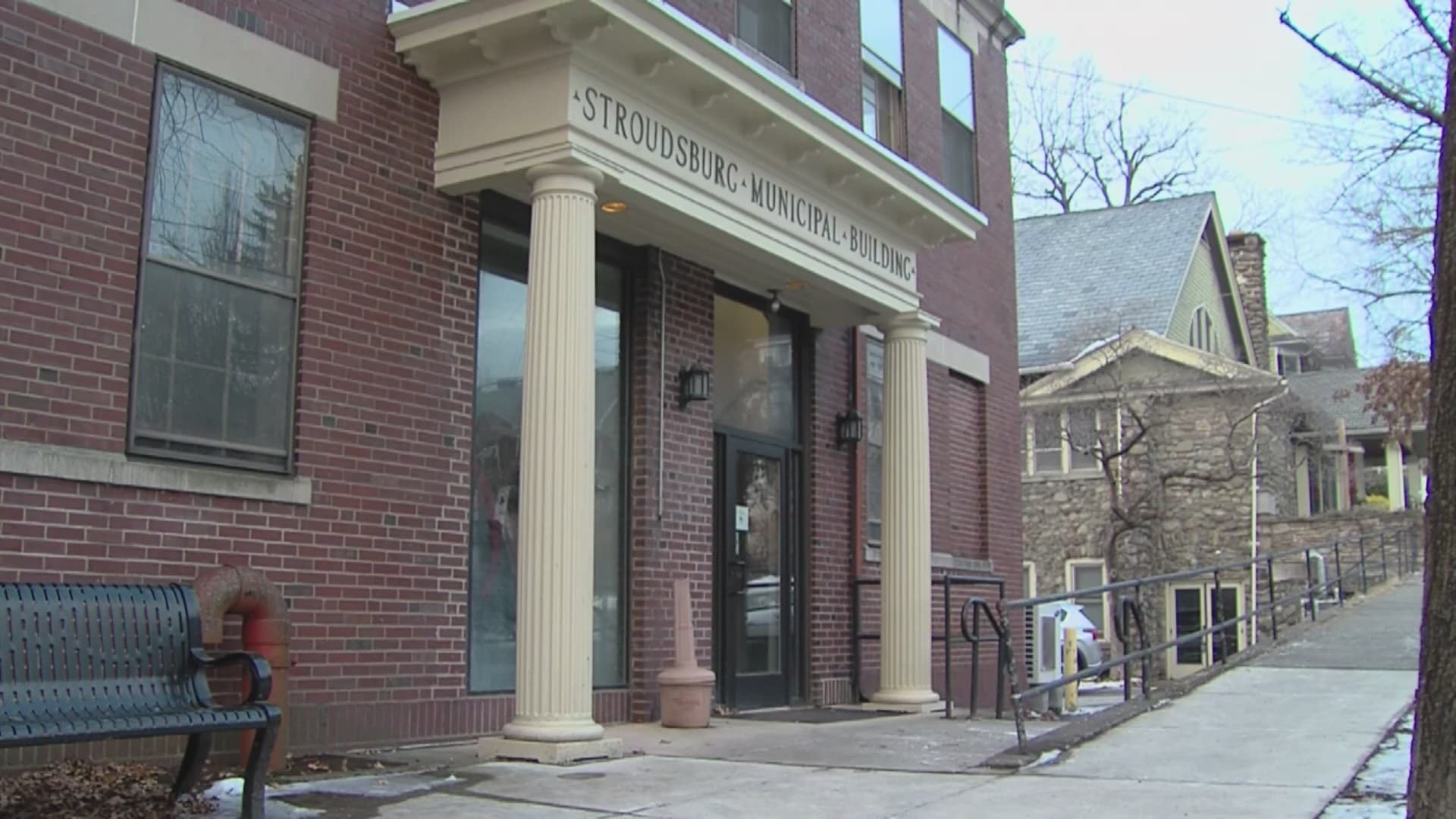
Stroudsburg Borough Council meets tonight at 7 p.m. to take up the fallout from the Aug. 29 Main Street takeover, and the business owners who watched it happen are already on record.
Tonight's session is expected to address where things stand with Mayor Ellen Currie's state of emergency, which has kept a 10 p.m. to 5 a.m. gathering ban on Main Street between Fifth and Ninth streets in place since Sunday.
Lisa Diemer, who owns Main Street Makery, told WFMZ she's glad the curfew bought some breathing room: “I'm really happy about the curfew because it's going to give the police and the businesses time to figure out a plan on how we can make this safer and not allow that to happen again.” Jere Dunkelberger, whose family has run Dunkelberger's Sports Outfitter for 54 years, struck a more measured tone, calling downtown “very vibrant” and saying he hopes the takeover was “an extremely isolated situation.”
Stroud Area Regional Police announced Tuesday it's adding standing Quality of Life patrols to the Main Street corridor, targeting areas with high complaint volume, and those patrols are set to continue after the proclamation expires Friday at 5 a.m.
Investigators also want a word with one specific driver. Police are asking the public for video of a blue Corvette Stingray sporting a fictitious New York plate reading “MAFIA,” seen doing donuts during the Aug. 29 gathering. Tips can stay anonymous.
The takeover was four days ago. Tonight's meeting is the first chance for elected officials to weigh in publicly on what happens next.
MONROE MARKET MOVERS
We told you we were keeping an eye on 60 Washington Street, the shuttered PNC Bank branch approved for a two-retail, 20-apartment makeover. Well, demolition of the old building is underway (well along by the look of it) though we don't have any other confirmed dates for the project. Expect that corner to look different for a while before the new building goes up.
DID YOU KNOW: MONROE’S OWN LABOR HISTORY
As Labor Day approaches, it is worth looking back at the history and struggles of labor in our own backyard. While the Poconos are celebrated today as a sanctuary of scenic relaxation, Monroe County's past was forged by a distinct, rugged brand of blue-collar survival, high-stakes seasonal grinding, and quiet, persistent resistance.
Transient Labor in the 19th Century: Long before the region became famous for honeymoon resorts and heart-shaped bathtubs, the foundational class friction in the mountains played out along the railroad tracks. During severe economic downturns like the Long Depression of the 1870s and the panic of 1893, unemployed industrial workers and miners flooded through the Poconos via the Delaware, Lackawanna and Western Railroad looking for a way to survive. Local newspapers in Stroudsburg and East Stroudsburg frequently stoked moral panics over these roving “tramps,” prompting private railroad police and county constables to crack down violently on transient camps along the rail lines. It created an underlying class divide between stable mountain communities and a desperate, floating labor pool with nowhere else to go.
Winter's Desperate Trade. When winter locked the county in a deep freeze, that desperate search for survival shifted out onto the water. As commercial refrigeration demand soared in New York City and Philadelphia at the turn of the 20th century, lakes like Tobyhanna, Stillwater, Naomi, and Pocono Lake transformed into massive open-air factories. As explored in our previous look at the area's commercial ice trade, when traditional farming ground to a halt, hundreds of local laborers traded the fields for the razor-thin margins of the ice sheet. Operating massive horse-drawn plows and long-bladed saws, these men faced sub-zero soakings, shattered equipment, and sudden drownings to feed the cities' ice boxes, proving that the local economy's survival came at a brutal physical cost.
The Town Factory Squeeze. As the 20th century progressed, the county's economic engine also anchored itself in town-based manufacturing and localized production. While Monroe County never matched the massive smokestack density of the Lehigh Valley or the coal regions to the west, it supported distinct industrial pockets, from the scorching-hot kilns and clay shafts of the Saylorsburg brick works to 19th-century tanneries, hazardous sawmills, and later mid-century textile and garment satellite shops in East Stroudsburg. Labor in these town factories was grueling and notoriously underpaid. Yet, because these plants often served as the primary economic lifeline for rural townships, open revolts were rare; striking meant risking the entire local community or facing management threats to pack up and move entirely.
The Resort's Quiet War. That tightrope walk between survival and suppression extended to the region's booming leisure economy. As the area pivoted toward grand establishments like the Water Gap houses and the Pocono Manor, an army of low-wage, seasonal hospitality workers (kitchen staff, porters, and waiters recruited from urban centers or local farm families) waged a quiet, tense war against resort proprietors. Faced with exhausting hours during peak holiday rushes like Labor Day, workers leveraged sudden walkouts and calculated slowdowns. Resort owners, terrified of a crippled operation during prime revenue windows, met these whispers of organizing with swift countermeasures, deploying local court injunctions, county deputies, and tight blacklists to crush dissent.
From the freezing expanses of the early ice harvesters and the scorching clay works of Saylorsburg to the back-of-house resistance in grand mountain hotels and the sharp class lines drawn along the railways, Monroe County's labor history belongs to the seasonal workers, factory hands, and resilient locals whose sweat literally carved the Poconos out of the wilderness.
THE DAILY RUNDOWN
A Week After the Crash, an I-80 Death. Albert VanRiper III, 71, of Montville, New Jersey, died early Tuesday at Lehigh Valley Hospital's Cedar Crest campus, a week after his motorcycle collided with another vehicle on I-80 at mile marker 305 in Stroudsburg on Aug. 25. The Lehigh County Coroner's Office and Pennsylvania State Police are investigating, and an autopsy was scheduled for today.
Hotel Disturbance Lands Man in Custody. Brian Lucia, 39, of East Stroudsburg, is charged with causing or risking a catastrophe after police say he pulled a fire alarm, threw a fire extinguisher through a hallway window, and hurled a wooden object at a passing car at the Baymont by Wyndham on Turtle Walk Lane in Hamilton Township on Aug. 24, with roughly 39 guests inside at the time. No injuries were reported. Police initially said Lucia set fires, but the hotel's general manager denies any were set.