
The Case Against I‑80: What the Neighbors Stand to Lose
State Rep. Tarah Probst takes us along the 3.5 miles at the center of this week's hearing
Nov. 15, 2026 · 7 minute read
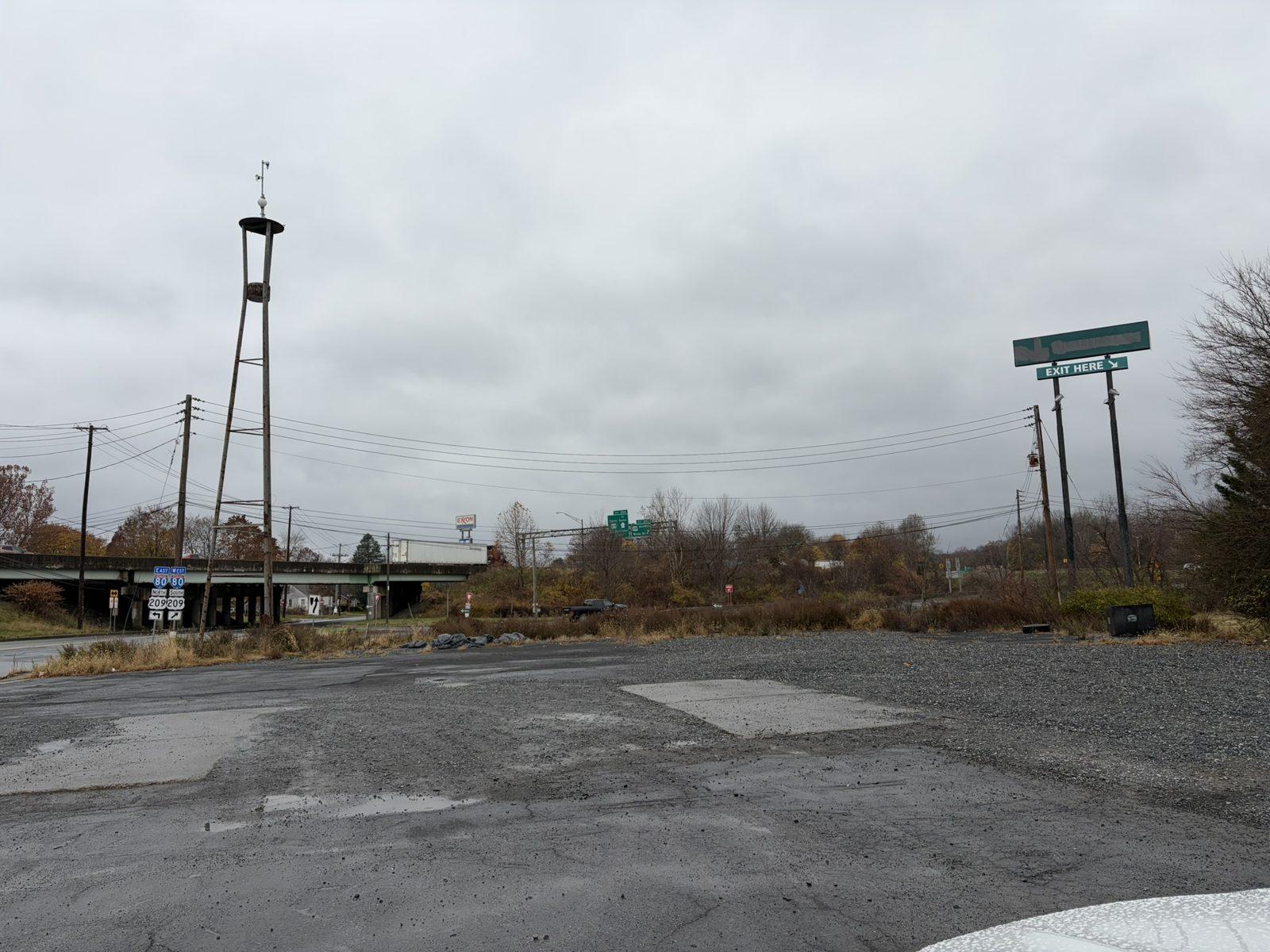
State Rep. Tarah Probst (D-189) has led the charge against PennDOT's plan to rebuild Interstate 80 through Stroudsburg and Stroud Township. Last Thursday, she and her constituent advisor Jessica (Smith) Delfino offered to take us on a tour of the project and show us how they believe it will affect the county.
On Tuesday and Wednesday, Nov. 17 and 18, the state Environmental Hearing Board meets in Harrisburg on an appeal of the project's environmental permits, brought by Probst and Stroud Township resident Lisa Wayland. Probst wants the board to pause the first phase of construction while the case is heard. A pause would not cancel the project.
PennDOT's case for the project runs in a separate article, The Case For I-80.
One project, three phases
PennDOT is rebuilding the 3.5 miles between Exits 303 and 307 as one project, studied in one federal environmental review, but building it in three pieces from west to east. Phase 1, now under way in Stroud Township, rebuilds Exit 303. Phase 2 covers Exits 304 and 305, up to just west of Dreher Avenue. Phase 3 covers Exits 306 and 307, including the Dreher Avenue exit and the Brodhead Creek bridge. PennDOT said in 2023 that each phase would start two to three years after the one before, with the work likely running into the 2030s.
The appeal before the board is only about the permits for Phase 1. Most of what Probst showed us sits in later phases: PennDOT says Wayland's home is in Phase 2, and the Dreher Avenue exit, the cemetery and the Fort Hamilton site are all outside Phase 1.
So why fight now? Probst argues the phases can't be judged one at a time. "You can't say three phases when this phase may stay like this," she said at the cemetery. "It should be one continuous project." Her appeal says the project was improperly split up to dodge a fuller environmental review. PennDOT asked the board to throw that argument out. On Nov. 10 the judge declined, so Probst and Wayland will get to make it. That is a decision to hear the argument, not a ruling on it: the judge has not decided whether she is right on this or any other point.
Fix it, don't supersize it
The plan widens I-80 between Exits 303 and 307 to six lanes, adds 12-foot shoulders, raises bridges, builds flyover ramps and closes the Dreher Avenue exit (Exit 306). It will cost about $935 million.
Probst isn't trying to stop the work. She wants to change it. What does she support? "A better base, taller bridges, 12-foot shoulders," she said, plus speed enforcement and better signs. What she opposes is the extra lanes, the flyovers and the closed exit.
The new flyover ramps would tower over the neighborhood. Delfino said the project's technical reports put them at 50 feet or more, about five stories, which she and Probst compared to the tops of the highway light poles near the Grace Park senior community. "That's a minimum," Probst said.
"It is so oversized," she said. "It's like we're living in Chicago or something. We are the county seat."
Her top concern is Dreher Avenue. She says more than 10,000 households rely on that exit, and that closing it will leave drivers "trapped on a highway" with fewer ways off, adding five to 12 minutes to some hospital trips.
She also questions the price. The state repaved more than 100 miles of interstate last year for about $800 million, she said. "You tell me why 3.5 miles is $935 million." (We have not checked her statewide figure, and repaving is a smaller job than a full rebuild.)
Residents in the path
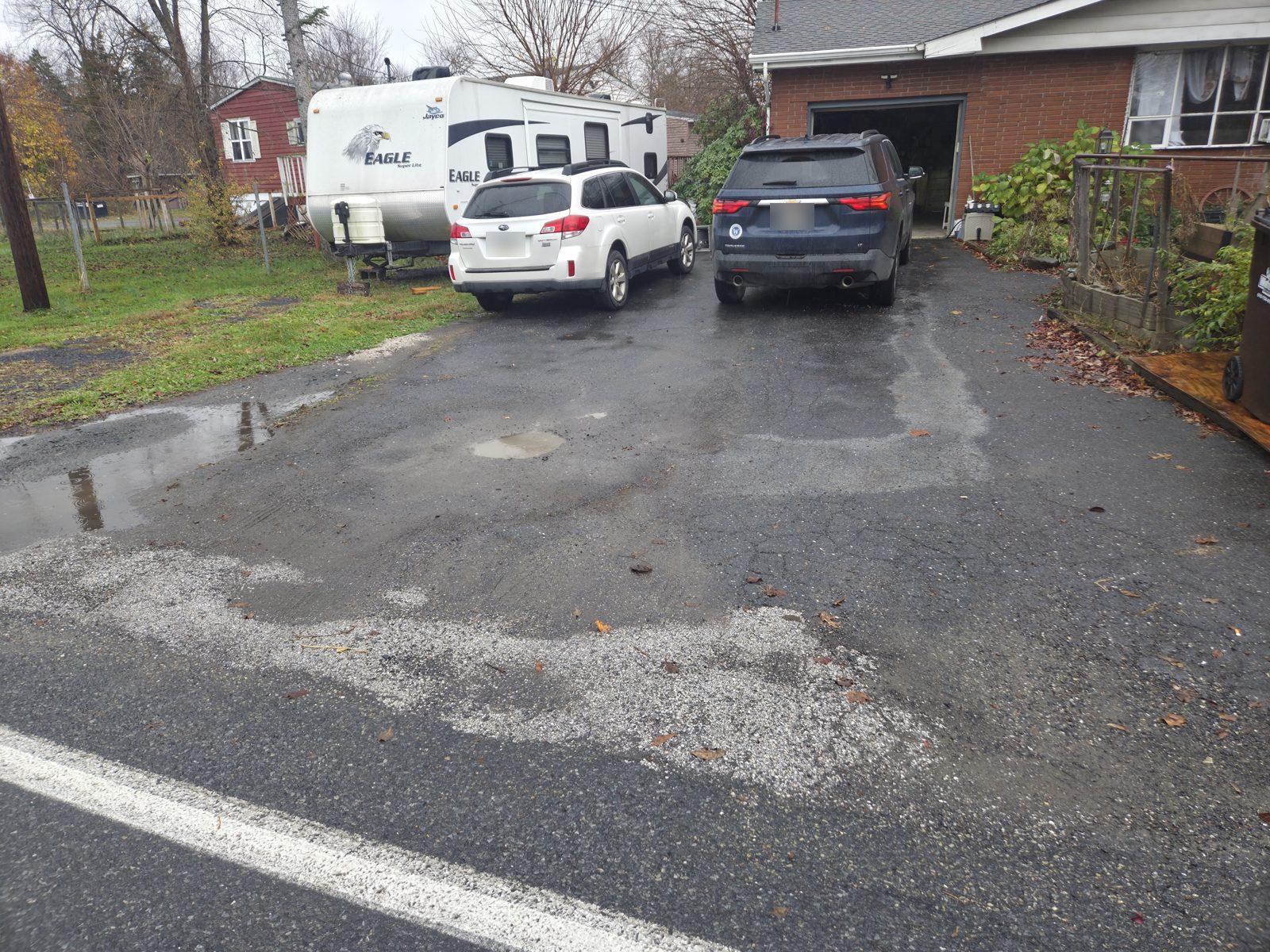
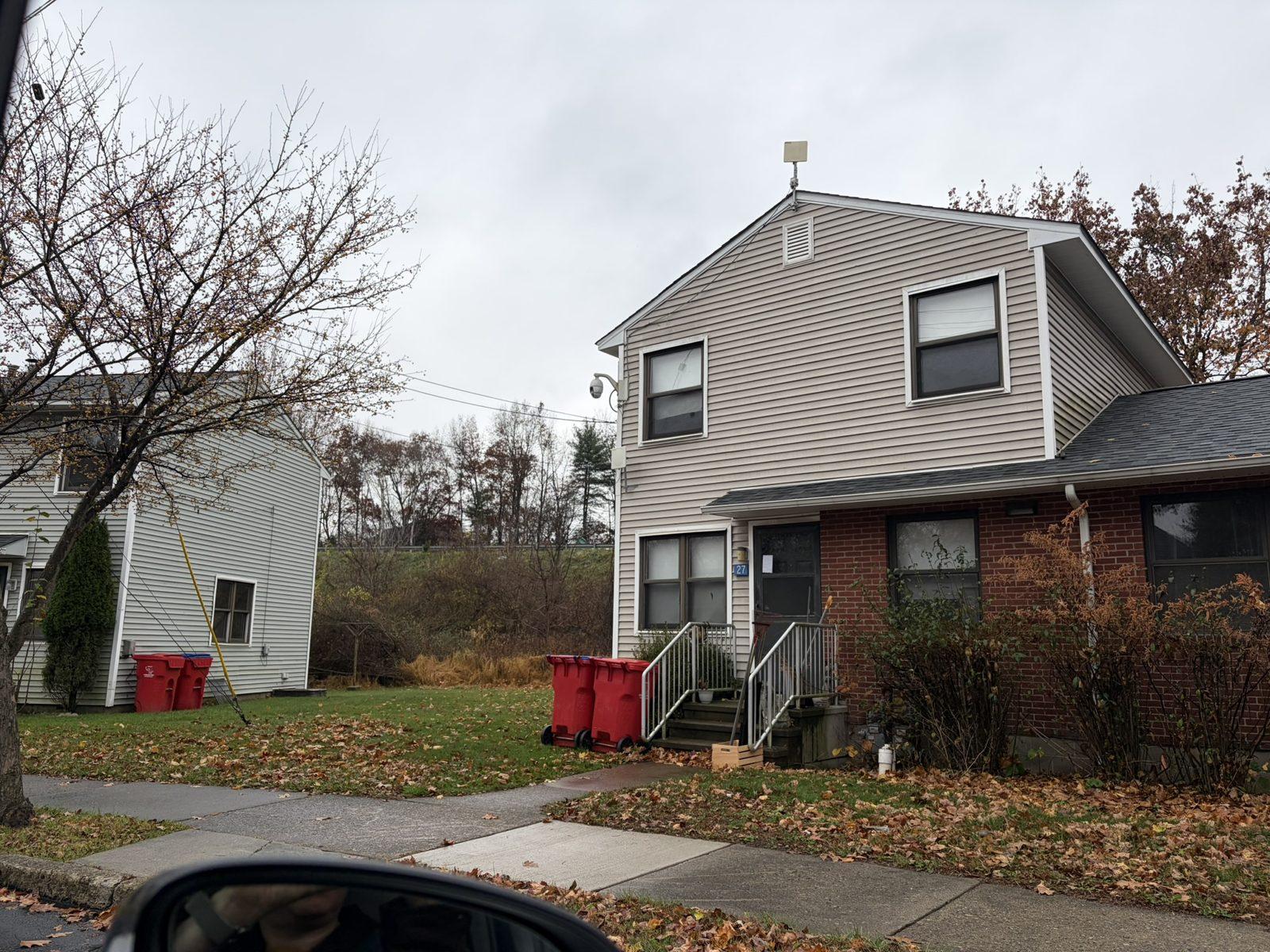
The most personal stop was Lisa Wayland's house on Arlington Avenue in Stroud Township, where the road curves and slopes toward her front yard. Cars have come around that curve and hit the big tree out front, Probst said. "[The tree] protected her."
Wayland's parents bought the house in 1991, and she has lived there since 2002 with her family and her father, Joseph Tortorelli, a disabled Vietnam veteran. Wayland has multiple sclerosis and uses a cane.
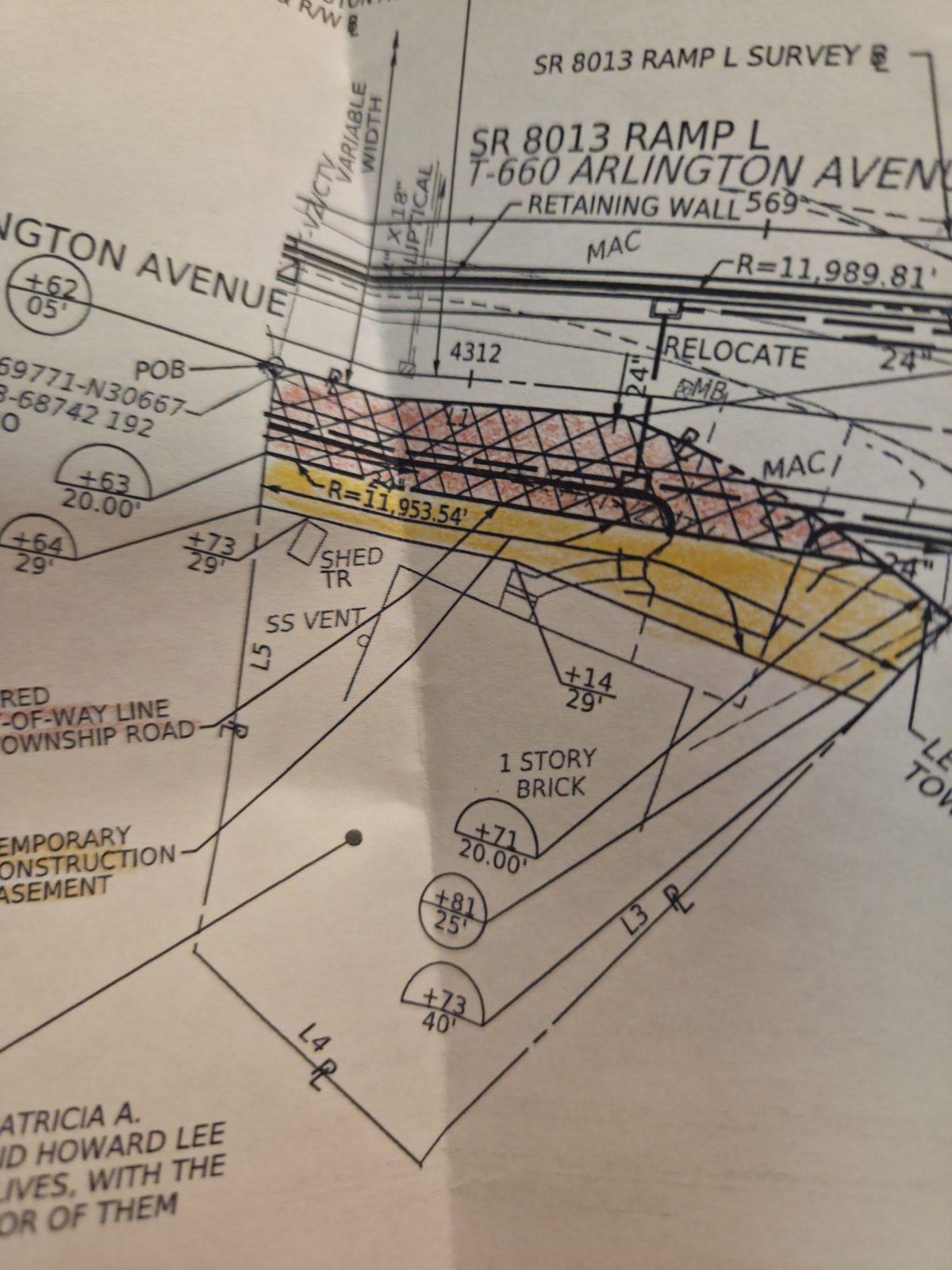
In written answers to our questions, she said PennDOT's newest map shows the state taking everything up to the family's front steps, part of it as a "temporary easement" she says would basically rent her yard for the four or more years of construction. "We would lose almost the whole driveway leaving us not enough space for even 1 car," she wrote. Where would they park? "I have repeatedly asked PennDOT but never get a response."
Every tree in the front yard would come down, including the ones her parents planted. She and her father may need a wheelchair ramp someday, and she said the plan leaves no room for one.
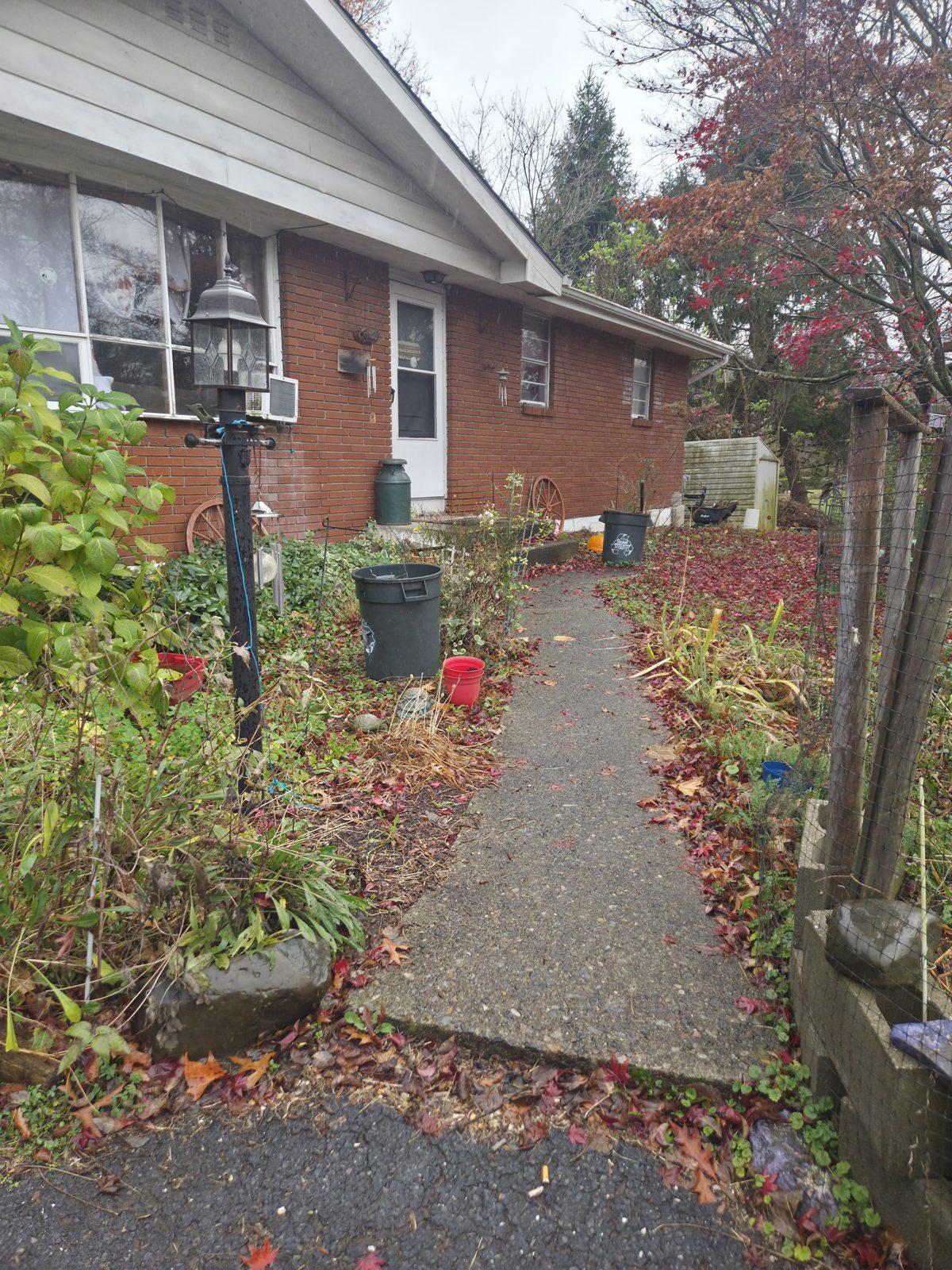
PennDOT hasn't offered money yet, she said. "They just keep sending us updated maps." No one from the agency has walked the property with her. She isn't insisting on staying: "Either change the impact on my home or buy me out so I don't have to live in fear."
Wayland isn't alone. Delfino told us of a homeowner she said took $190,000 for a house she estimated was worth $350,000 to $400,000, and who now pays PennDOT rent to stay. We have not been able to confirm that account.
The bigger worry is where displaced families go in a county this expensive. "To get eminent domained [forced to sell your home to the state] here now is literally to be exiled from the community," Delfino said.
Water, wetlands and wildlife
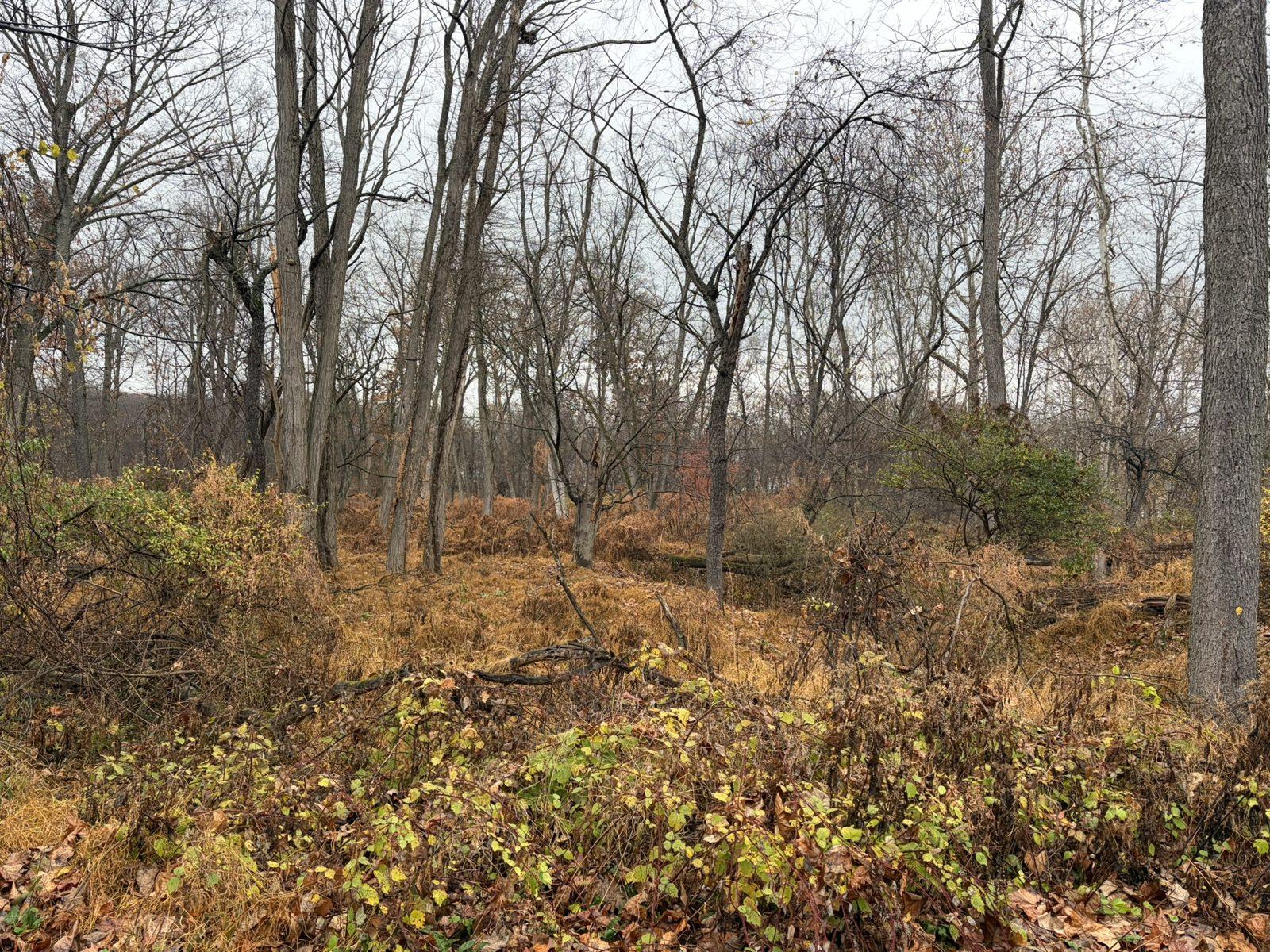
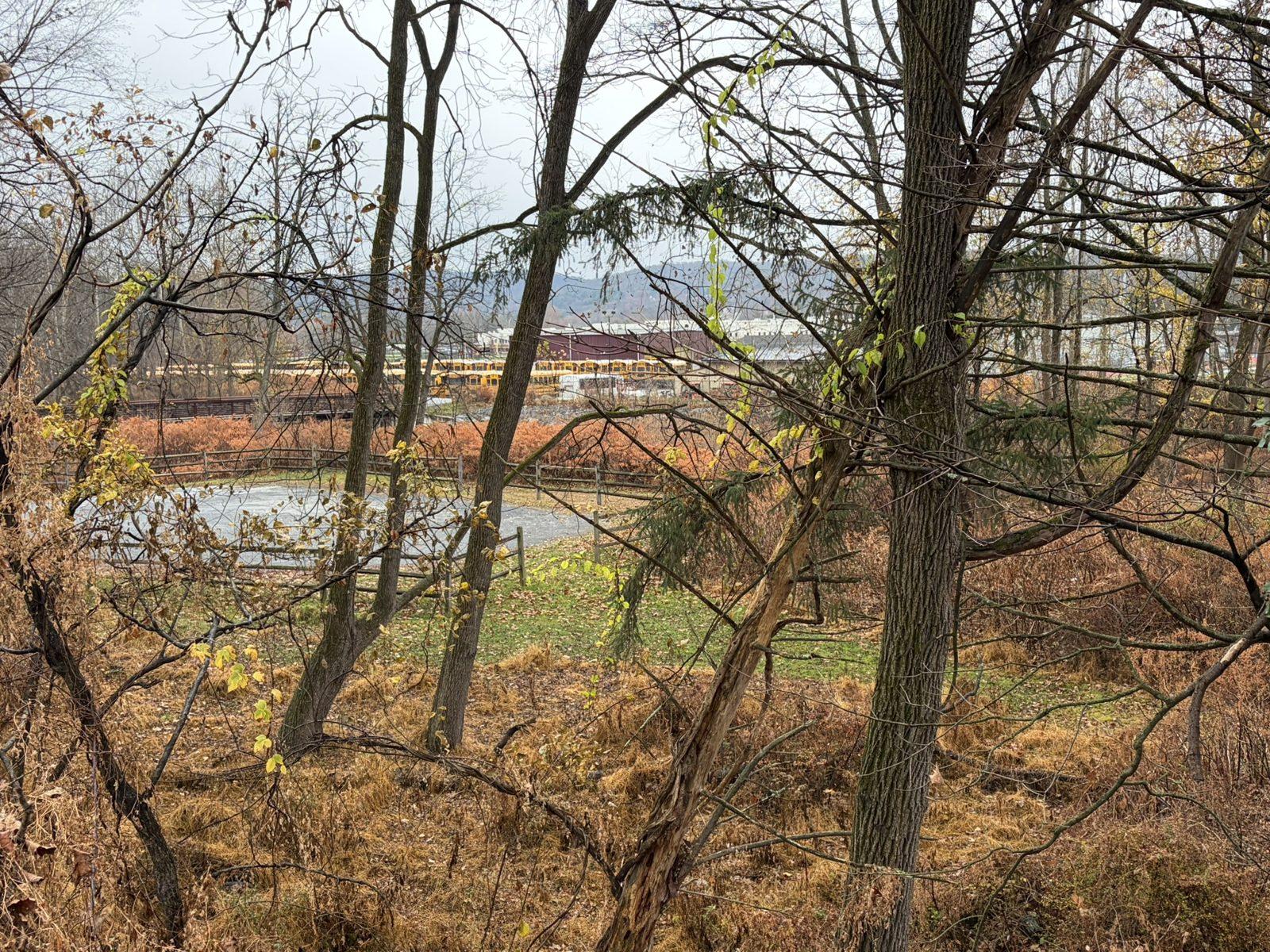
Water came up at nearly every stop. Probst noted that Stroudsburg sits in a 100-year flood zone, and the 1955 flood devastated the town. She said the area behind the Wawa near I-80 still floods, and that ESSA's headquarters beside Pocono Creek took on water in 2012.
The strips of woods between the highway and the creeks soak up floodwater. Widening the road, Probst and Delfino argue, cuts into those woods and pushes the road toward the water. "[It] 100% will flood," Probst said of the stretch by ESSA.
The state rates Pocono Creek "High Quality" and says the project affects wetlands rated "Exceptional Value," its top protection level. Delfino said both nearby creeks hold wild brown trout. Delfino lives on Bryant Street, where a later phase of the project would reach a wetland behind her home and her neighbors'.
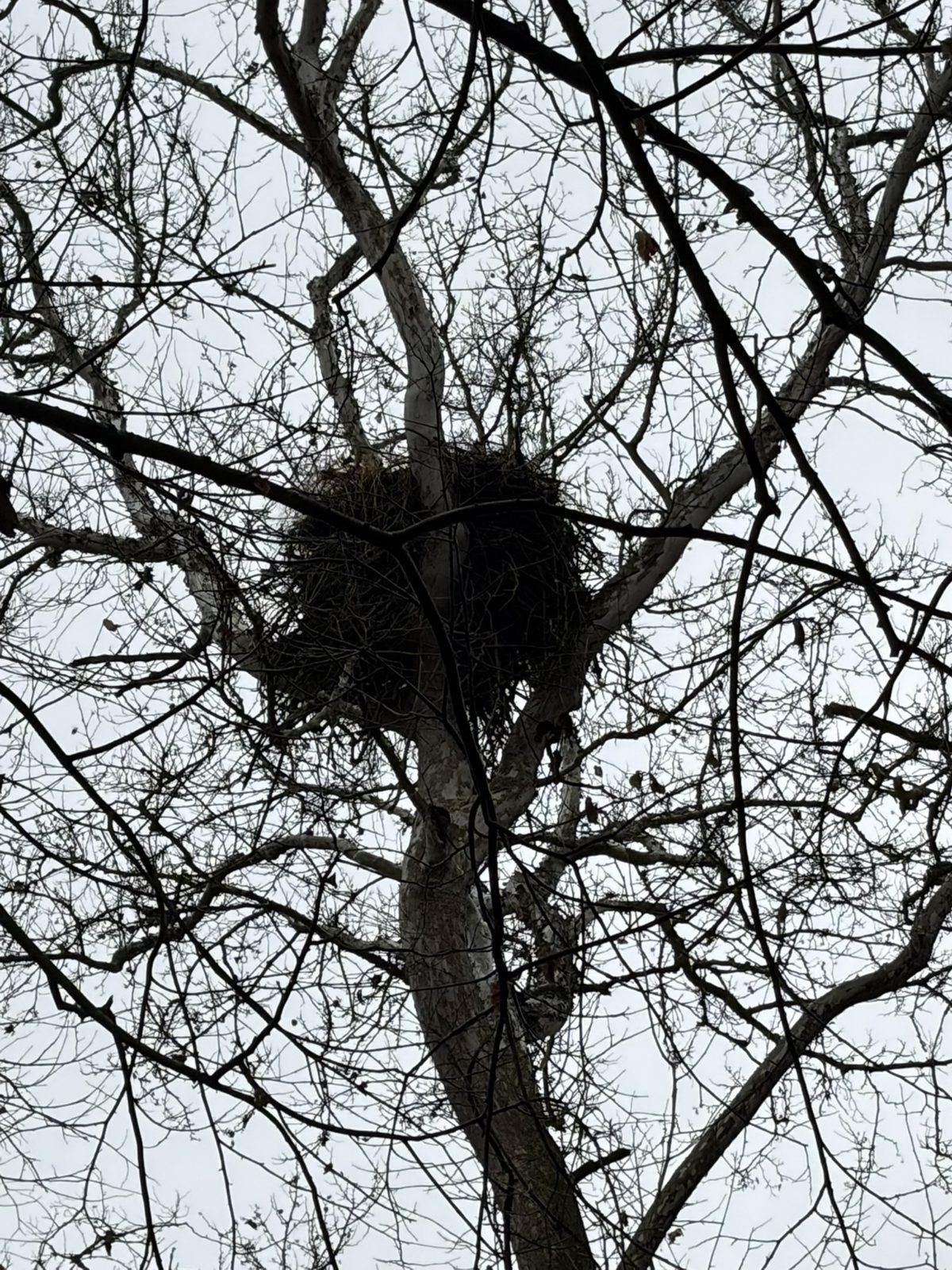
Then there is the eagle. Near the Fort Hamilton site, Delfino pointed up at a large nest. Opponents say it may be within 660 feet of the work, the distance federal guidelines use to protect eagle nests, and that the project's wildlife review missed it. In a Nov. 13 filing, the state Department of Environmental Protection agreed the nest is within 660 feet of the project, in a later phase, and said that has triggered formal talks with federal and state wildlife agencies.
They also want a fuller environmental study than the shorter one PennDOT used.
Businesses and the cemetery
Probst and Delfino said the Gray car dealership is among the local businesses in the project's path. Alpha Recycling, near Dreher Avenue, would lose the front of its property, and Probst said its trucks would be sent through downtown once the exit closes. Probst said residents of nearby LaBar Village, a 55-and-over community, are upset about the changes. She said that when she asked PennDOT in 2023 what would happen to the people there, she was told a new side road might work. "Maybe you should have [included this in your plan]," she said.
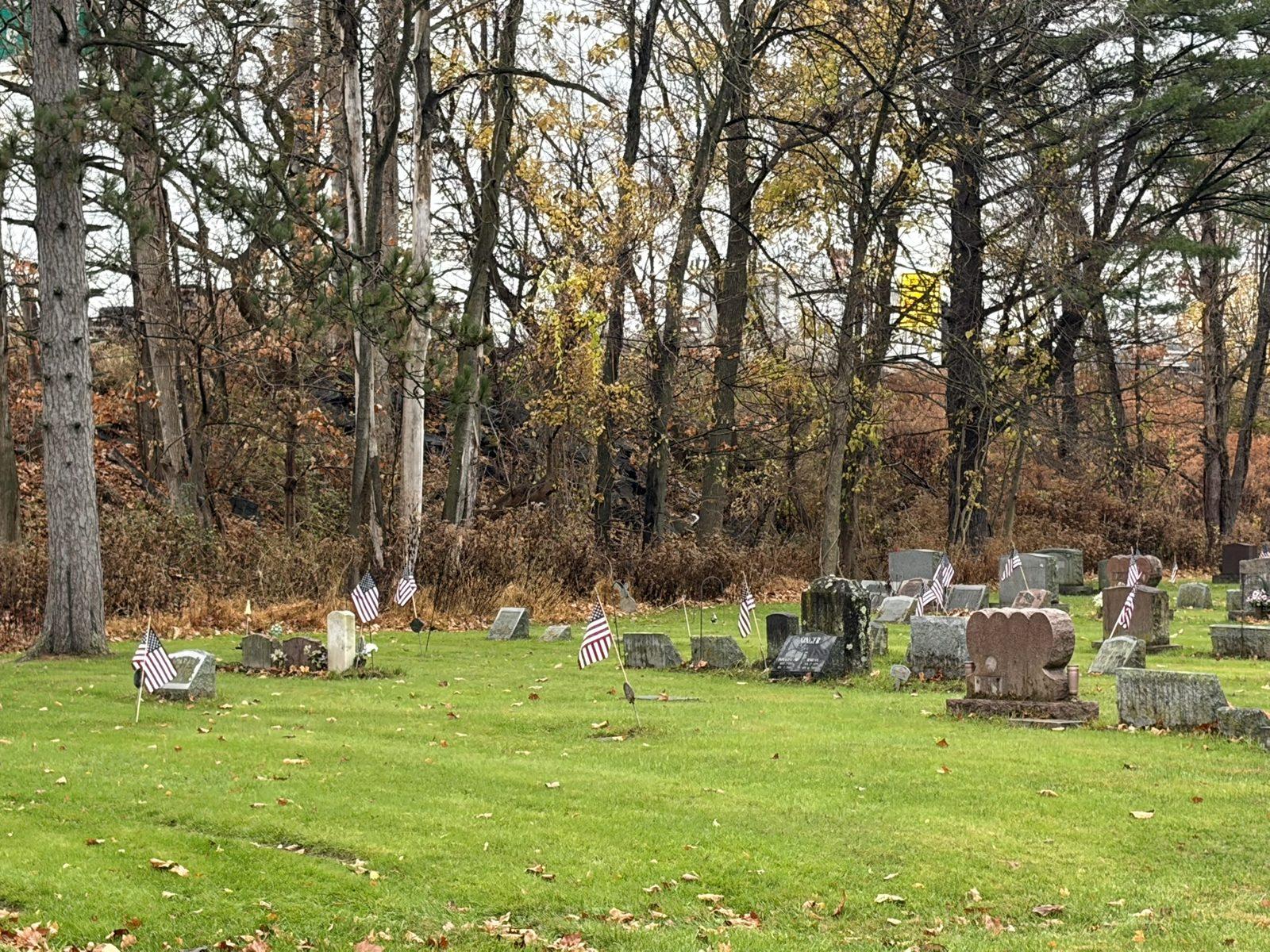
The Stroudsburg Cemetery on Dreher Avenue, a nonprofit whose graves include Civil War veterans, sits right beside the creek and the highway. Rich Possinger, whose family manages the cemetery for its board, said PennDOT has told them no graves will be disturbed. (Probst said an early design would have gone through the cemetery until her office pointed to an 1849 state law protecting burial grounds.)
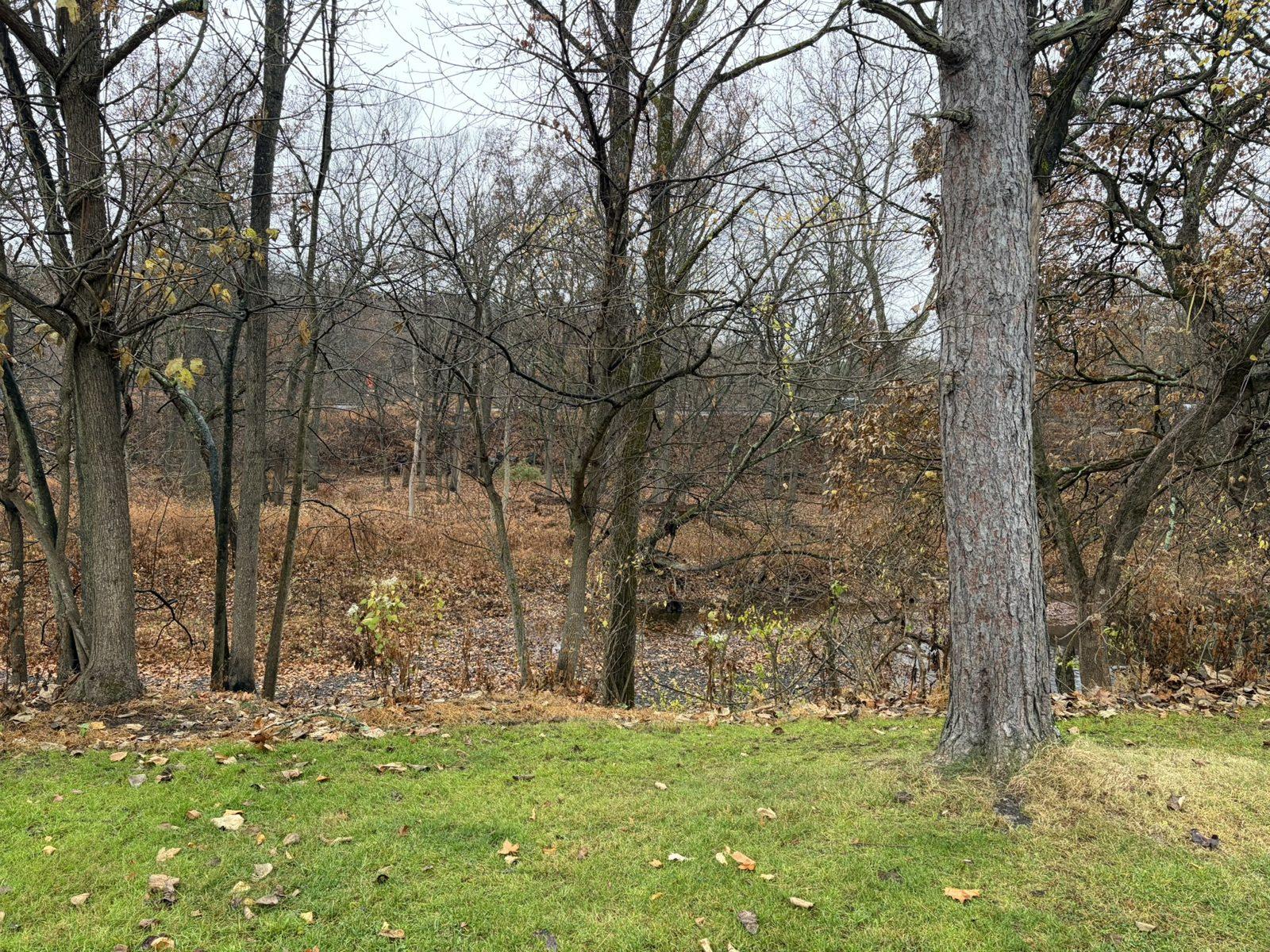
Possinger's worry is the creek. The low land between the creek and I-80 belongs to the cemetery, and it soaks up high water before it reaches the graves. "That's our saving grace, why we've never had water right here where we're standing," he said. "If they narrowed down the channel, let's say, that's only gonna bring the water up quicker."
The highway already costs the cemetery business. Possinger said he has about 500 plots behind the big mausoleum, near I-80, that he could sell today at $700 each, but families walk toward them and turn back. "The closer we get, the louder it becomes," he said. "And they turn around and want to come back over here and look at the first spot they saw."
Every property the state takes also comes off the local tax rolls.
History in the way
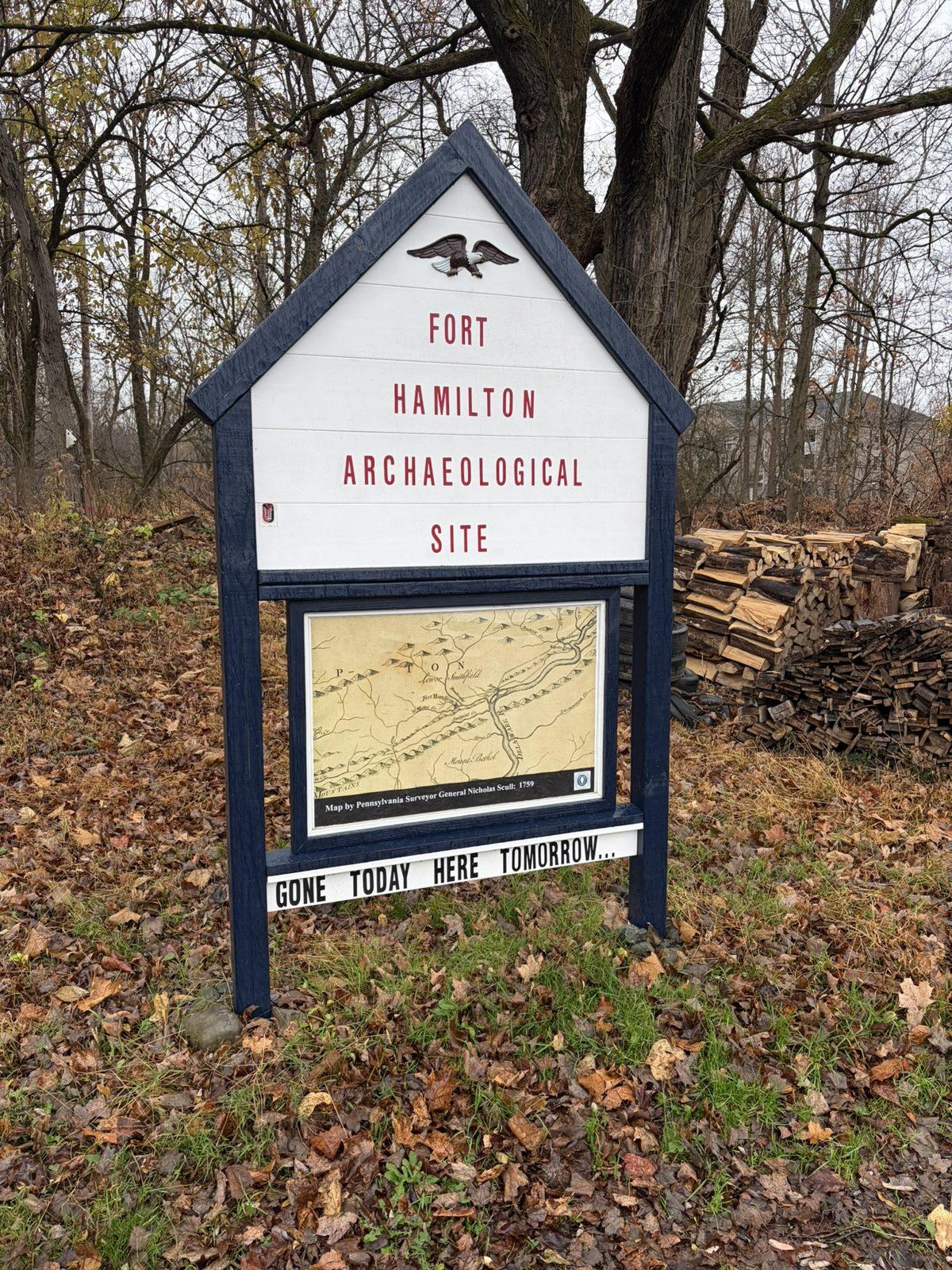
The last stop was the Fort Hamilton site off Ann Street. The fort was built in 1755 and 1756, during the French and Indian War, as part of a chain of frontier forts Benjamin Franklin oversaw. Its exact location was lost for generations until Lehigh University researchers used laser mapping to trace what appears to be the outline of its walls. There has been talk of building a museum and memorial garden there.
Pocono Creek and McMichael Creek meet nearby. Probst and Delfino fear any work that narrows or moves the creek will damage the site and the artifacts in the creek bed.
What's next
Wayland will be in Harrisburg both days, representing herself. "I want someone to listen to the voice of REASON," she wrote. "I'm not being dramatic or stubborn."
Probst and Wayland agree this stretch of I-80 needs work. Their fight is over how much, and who pays the price. We will cover the hearing.
Thank you to Rep. Tarah Probst and Jessica Delfino for spending two hours showing us around, and to Lisa Wayland for taking the time to answer our questions.
